
Fixture Placement Strategy
Master the three layers of lighting design to eliminate dark corners and create balanced, functional illumination throughout your space.
The Three Layers of Lighting
Effective lighting design combines ambient, task, and accent lighting to create depth, functionality, and visual interest.
Ambient lighting provides overall illumination, ensuring no area is left in shadow. This foundational layer typically comes from ceiling fixtures, recessed lights, or wall-mounted sources that distribute light evenly throughout the space.
Task lighting directs focused illumination to specific work areas. Desk lamps, under-cabinet fixtures, and reading lights provide the intensity needed for activities requiring visual precision without creating glare or shadows.
Accent lighting highlights architectural features, artwork, or design elements. Track lights, wall washers, and directional fixtures create visual hierarchy and add depth to your environment.

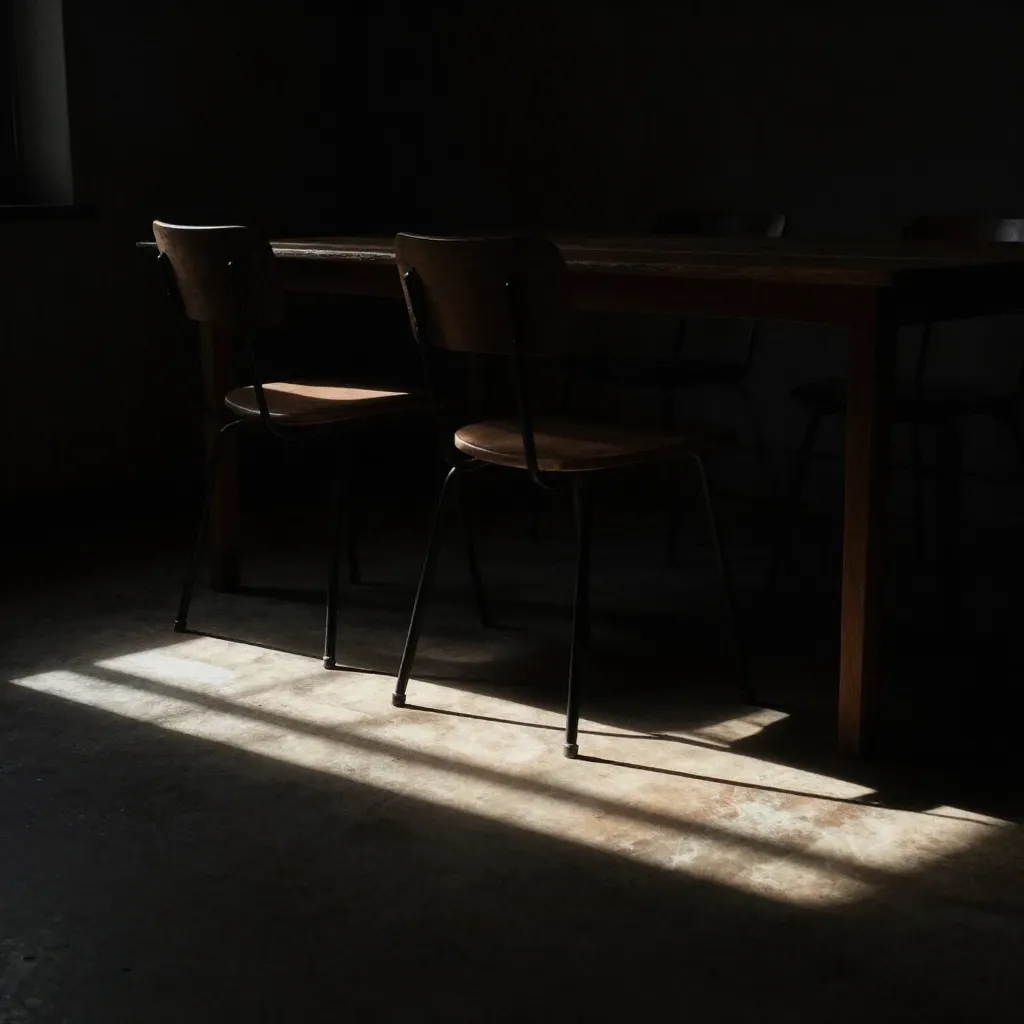
Eliminating Dead Corners
Strategic placement ensures every corner receives adequate illumination, creating a cohesive and comfortable environment.
Room-by-Room Strategies
Specific placement recommendations for different spaces and their unique requirements.

Living Rooms
Combine overhead ambient fixtures with floor and table lamps for task lighting. Use wall-mounted fixtures or track lighting to accent artwork or architectural features. Place sources at varying heights to create visual interest.
Kitchens
Overhead ambient lighting provides general illumination. Under-cabinet task lighting illuminates work surfaces. Consider accent lighting for open shelving or decorative elements. Ensure no shadows fall on prep areas.
Bedrooms
Soft ambient lighting from ceiling fixtures or wall sconces creates a relaxing atmosphere. Bedside task lighting supports reading. Accent lighting can highlight artwork or architectural details without being intrusive.
Home Offices
Bright ambient lighting reduces eye strain. Desk lamps provide focused task illumination. Avoid placing fixtures directly behind monitors to prevent glare. Consider natural light integration for optimal comfort.
Placement Principles
Fundamental guidelines for effective fixture positioning.
Spacing & Distribution
Maintain consistent spacing between fixtures to avoid hot spots and dark areas. General rule: space recessed lights at intervals equal to half the ceiling height.
Height Considerations
Vary fixture heights to create visual interest and prevent flat, uniform illumination. Combine overhead, eye-level, and low-level sources for depth.
Direction & Angle
Direct light where it's needed most. Task lighting should illuminate work surfaces at appropriate angles to minimize shadows and glare.